Thursday, April 15, 2021
30 Songs In 30 Colours (a 30-day Song Challenge Done Wrong) #Fragments
Last year I Tweeted a different song every day for a #30DaySongChallenge. Only one drawback: I’d read ahead and there were several questions I just didn’t want to think about. So I Tweeted for thirty days anyway – just answering for Day 1, thirty times (never let it be said that once I think up a terrible joke or a diversionary tactic I don’t flog both to death).
Besides, it
turns out there really are a lot of really great songs with colours in them.
I’ve picked
today (the anniversary of somewhere-in-the-middle-of-it) to collect these into
a post because (in the middle of not an easy time) the most fun of the lot is
both the colour grey – not anyone’s first choice for joy – and a car – not mine
– and yet…

1 – Goldfinger
Saluting
Honor Blackman – and because it’s so magnificent I’d have picked it anyway.
There are
several here I really don’t want to face, but I cope (when I do) one day at a
time…
At the same
time last year I was Tweeting a James Bond favourite every day too, but
properly. Not all my picks were
Goldfinger… But top Bond theme was, obviously (as one Bond composer put it, “If
you’re dead, you wake up for that”). I’ve already turned that set into a blog post – worth reading for the one-liners.
1 – Tired of
Midnight Blue (George Harrison)
A brilliantly
bluesy piano number unexpectedly turns up to give extra texture.
And it’d gone
midnight, and I was tired, so…
There are
several here I don’t want to face, but I cope (when I do) one day at a time…
1 – The Red
Shoes (Kate Bush)
Fantastic in
several senses, with bonus colours on the same album in Why Should I Love You?
There are
several here I don’t want to face, but I cope (when I do) one day at a time…
1 – Union
City Blue (Blondie)
Coolly
iconic. Also, their:
Put Some
Color On You
Much newer
Blondie, and a real stomper. Love it (but not appropriately social-distancing).
There are
several here I don’t want to face, but I cope (when I do) one day at a time…
1 – Theme
from The Black Hole
Queasy
swirling weirdness underpinned by magnificently threatening ‘What A Magnificent
Vista (Were It Not Being Swallowed By This Endless Maw Into Hell)’ John Barry
strings.
[A couple of
months ago I performed a scientific observer bias test and found that I mainly
hear the unsettling weaving weirdness if I’m watching the wireframe spiral on
screen, while mainly notice the orchestral underpinning if I’m just listening
rather than getting the visual cues.]
There are
several here I don’t want to face, but I cope (when I do) one day at a time…
1 – The White
Tree (Howard Shore)
A
magnificent, uplifting fanfare to light the Beacons of Gondor and send flame
rushing to the West.
There are
several here I don’t want to face, but I cope (when I do) one day at a time…
1 – Moonlight
and Gold (Gerry Rafferty)
A gorgeous
love song yearning through the night to the dawn (from North and South,
probably his best album).
There are
several here I don’t want to face, but I cope (when I do) one day at a time…
1 – Grey
Cortina (Tom Robinson Band)
I don’t care
about cars at all, but too many car songs are just too much fun.
This is
probably the most lively and joyous of the lot.
A year ago today!
There are
several here I don’t want to face, but I cope (when I do) one day at a time…
1 – Dazzling
Blue (Paul Simon)
Percussive,
laid back groove.
You see? I
can pick songs from the last decade.
The artist’s
been around since long before I was born, obviously.
There are
several here I don’t want to face, but I cope (when I do) one day at a time…
1 – Yellow
Submarine (The Beatles)
(I’d’ve made
this an earlier 1, but didn’t want it to be the obvious ‘cramped in a small space
and can’t go outside’ and lose its fun)
There are
several here I don’t want to face, but I cope (when I do) one day at a time…
1 – Old Brown
Shoe (The Beatles)
So lively!
Wowsa George fast-bubbling bass and lead. A very ‘A’ B-side.
Bonus: For
You Blue, the most bouncily happy of blues.
There are
several here I don’t want to face, but I cope (when I do) one day at a time…
1 – Mr Blue
Sky (Electric Light Orchestra)
Because you
can’t beat a bit of ELO.
Glorious
(especially as the close of Concerto For a Rainy Day).
There are
several here I don’t want to face, but I cope (when I do) one day at a time…
1 – Blue Monday
(New Order)
Inspired
electro-dance downbeat-beat-beat-beat-beat to get you going without admitting
you want to.
Just how I
should feel today…
Presses
repeat on ‘There are several…’ meta-gag
[And if you’re wondering why I kept in all of those, now you know. Really‽ Really]
1 – Blue
Savannah (Erasure)
A rather
lovely swirling ballad with a simple but hugely memorable video (which sends me
on my way back to Goldfinger; don’t try this at home)
There are
several here I don’t want to face, but I cope (when I do) one day at a time…
1 – GoldenEye
(Tina Turner)
An
outstanding Bond theme and terrific performance (great video, too).
Up there with
She’s a Mystery to Me as the best ever of Bono and the Edge.
[I compiled all 40 – no, you read correctly – into a playlist today, only to find this was the only one I’d not imported into iTunes and couldn’t find the CD single. Looking it up, though I own the single edit (technically, somewhere), there is a longer album edit, so I didn’t feel bad about buying that just now to complete the set. Just for once, the longer version’s not as good. The film edit ends with a bang.]
There are
several here I don’t want to face, but I cope (when I do) one day at a time…
1 – California
Blue (Roy Orbison)
Rather lovely
in its yearning (I reminded myself of it with yesterday’s).
And why not
add the other Traveling Wilburys in New Blue Moon?
[I coincidentally sequenced this for Roy’s birthday (April 23rd) and didn’t notice until afterwards.]
There are
several here I don’t want to face, but I cope (when I do) one day at a time…
1 – Every
Shade of Blue (Bananarama)
Last night was rough [356 nights ago, but so was last night and it’s a fair bet so will the next] and I was up most of it, so despite the lyrics this is a more upbeat listen in daylight.
There are
several here I don’t want to face, but I cope (when I do) one day at a time…
1 – Strike Me
Pink (Deborah Harry)
Melting
coolness from Debravation. Evocative song, great album title (still waiting for
Debravity).
There are
several here I don’t want to face, but I cope (when I do) one day at a time…
1 – White
Wedding (Billy Idol)
A roar of
excitement!
I was
scheduled to go with White Room (Cream), but that day was our semiversary [April 26th,
mid-way from October 26th]. I think I prefer this one, too!
There are
several here I don’t want to face, but I cope (when I do) one day at a time…
1 – Morse
Moose and the Grey Goose (Paul McCartney & Wings)
A great sound
from London Town – fuzzing guitar and groovy bass. Love a track that starts big
and builds!
There are
several here I don’t want to face, but I cope (when I do) one day at a time…
1 – Blond and Blue (Tom Robinson)
An unhappy
love song…
and
Green (Tom
Robinson)
A – much more upbeat – savage bit of satire:
“It’s an eco-revolution using market forces / As we carry on guzzling the world’s resources”
[insert daily recycled line]
1 – Gold
(Spandau Ballet)
Always
believe in your soul!
Big sound,
Lib Dem anthem, and I had this lined up before seeing Twitter full of
fancying Martin Kemp that evening [can I remember why? Did I even know at the time?].
There are
several here I don’t want to face, but I cope (when I do) one day at a time…
1 – Grey Day
(Madness)
Doom-laden
chimes, heavy piano, distorted guitar, despairing lyrics – probably their most
downbeat hit, and possibly my favourite.
There are
several here I don’t want to face, but I cope (when I do) one day at a time…
1 – Jack In
the Green (Jethro Tull)
Feels more
Beltane this morning [May 1st] than my scheduled The Big Bright
Green Pleasure Machine (though I could really do with one of those).
There are
several here I don’t want to face, but I cope (when I do) one day at a time…
1 – Paint It
Black (Rolling Stones)
Black Sunrise
(Marc Almond)
And not in
the title but very much in tone, My Little Town (Simon and Garfunkel)
There are
several here I don’t want to face, but I cope (when I do) one day at a time…
1 – Purple
Haze (Jimi Hendrix)
An incredible
sound and – appropriately purple – embraced in performance as distinctly bi:
that girl put a spell on me / ’scuse me while I kiss this guy
Several I
don’t want to face, but I cope (when I do) one day at a time…
1 – Mellow
Yellow (Donovan)
Something a
bit cheery and relaxing for a new week (same as the old week) when being mostly
more incredibly stressed and angry Yellow.
There are
several here I don’t want to face, but I cope (when I do) one day at a time…
1 – Yellow
(Jodie Whittaker)
Rather
beautiful.
Green Grow
the Rushes…
Oh! You’re
thinking REM; I’m thinking John Steed (Patrick Macnee) resisting mind control.
And tune control.
[See The Avengers – Too Many Christmas Trees. And you should.]
There are
some here I don’t want to face, but I cope (when I do) one day at a time.
1 – Golden
Brown (The Stranglers)
Gorgeous.
Always planned for the penultimate day, alongside eerie
Blue Veils
and Golden Sands (Delia Derbyshire)
Yet suddenly
mournful.
[This was May 6th, getting the schedule slightly wrong so one day late for Delia Derbyshire, but coincidentally also having just seen the news that Stranglers keyboard player Dave Greenfield had passed away]
There are
several here I don’t want to face, but I cope (when I do) one day at a time…
When I first saw the challenges on this list, I thought:
‘Oh no; this one, this, and that would just be too disheartening to go into – I can’t do it.’
And I wouldn’t have, but immediately the old eye-roller ‘Deal with problems one day at a time!’ popped into my head…
Which is how I realised:
‘Oh, I couldn’t. Could I? That would be a terrible, awful gag, and I’d have to keep it going long, long after it stopped being funny.
‘I could!’
And so I’ve been re-setting to day one at a time every day for twenty-nine days.
One more. Just one.
Or is it?
1 – 99 Red
Balloons / 99 Luftballons (Nena)
At last, a
number – could this be Day 2?
…No.
30 days on,
it’s the end of the run and end of the world.
And one last
colour, after all.
I hope you’ve
enjoyed the songs in your ears and colours in your eyes! I did.
Labels: Fragments, Memes, Music


Thursday, October 23, 2014
Liberal Mondays 10c: Sal Brinton’s What the Liberal Democrats Stand For #LibDemValues
A fortnight ago I emailed all of the then declared contenders to be the next Liberal Democrat President with questions (below) about their personal political philosophy and our shared Lib Dem values, to be published here. I received Sal Brinton’s answers last night, and here they are now.
What I believe and why I can only be a Lib Dem:
Fairness and equality are at the heart of everything I believe in. Every child should have the best start in life, the opportunity to do what they want, even if it isn’t what everyone else wants, with the best skills they can learn. I want people to have the freedom to say and do what they want – but not to harm others. We need a successful economy, but not just for the few rich, for as many as possible, with a safety net for those that struggle. This isn’t just about holding back the worst excesses of the Tories, or preventing Labour controlling everything, it’s a philosophy, a way of life.
2. What Lib Dems stand for, and how we’ve shown that in coalition over the last four years:
Liberal Democrats believe that the best people to decide their future are individuals themselves. We believe that people should have the freedom to do what they want – as long as it doesn’t affect others negatively – and we want to make sure that they are given the best chance to do it. We also think that the state should provide the best support possible for everyone, but with the lightest touch that it can, and the state should protect people from those more powerful controlling them. Access to health, education, justice should be universal (you can’t reduce inequality without this), and we want decisions to be made as locally as possible. A vote for us is a vote for you achieving the best you can and want.
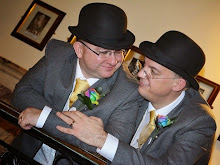
As liberals, we are often very hard on ourselves. Compromise in coalition has been tough, and we’ve made mistakes, but we need to remember what we’ve achieved. In coalition we’ve succeeded in making tax fairer by raising the personal allowance rate: giving every tax payer £700 per annum. We have started to reduce education inequalities through providing extra money for the most disadvantaged pupils and students, and the results are beginning to show it works. In the worst recession for decades, we’ve protected the NHS budget and insisted on proper funding for mental health services. We’ve given you, Alex, the freedom to marry Richard this weekend: achieving same sex marriage is core to our belief in freedom and equality, and we persuaded the Tories to support it too. We’ve protected girls from FGM, and provided 0.7% of GDP for international development, guaranteeing help for the most vulnerable people in the world.
Liz Lynne’s answers can be found here.
Daisy Cooper’s answers can be found here.
NB On Monday, the three contenders on the ballot paper were announced as Liz Lynne, Daisy Cooper and Sal Brinton. Linda Jack was unable to find enough people within the Liberal Democrats to support her nomination.
My Questions As Sent
I have two related questions for you. Both are more concerned with politics than process. One is after a short two-pronged answer from the heart – had I been able to come to Conference, I would have preferred to put you on the spot with it in person to hear what you instinctively believe. The other question is asking you to come up with a longer, more thoughtful answer on our values that you’d be happy having the whole party say (as if anyone could ever persuade us to stick to one hymn-sheet).
Question One: What You Believe
People say all politicians are the same. It’s hardest for us in Coalition, but there’s some truth in it when every party promises to give money to the low-paid and the NHS, or when every local candidate for every party talks about experience, hard work and listening to local people. So what really motivates you? What for you makes the Lib Dems different from any other party?
If someone asked you on the doorstep, the hustings or on TV to sum up in one or two sentences what the Lib Dems, uniquely, stand for – and then why anyone should vote for us – what are your answers?
Past answerers include Presidential contenders and London Mayoral candidates.
Question Two: What the Lib Dems Stand For
Looking for something that’s more than a slogan or a soundbite but short enough to get in one go, imagine this answer as about one minute of a speech, or a box on a leaflet (perhaps 150-200 words, but that’s up to you). As you will be the voice of the Party if elected, can come up with something you think every party member could be happy saying or printing to explain What the Lib Dems Stand For? Something to enthuse and inspire Lib Dem believers and at the same time to attract and persuade potential supporters?
How would you link what makes us different, our philosophy, to what we’ve achieved in government, and what we want to do next? However you want to put that together, as specific or as thematic as you like.
I start this as a meme that many other Lib Dems have answered over the past couple of years (if I ever get a wide enough selection in, I might publish a book of them!). If you want to see more about what that’s involved, here’s my own latest version, including links to where I’ve printed other Lib Dems’ ideas.
Best of luck to each of you.
I had also spent some time trying to think of a ‘nasty’ question individually tailored to each of you – which I did for the last set of Presidential candidates and, going back further, for Nick and Chris in 2007. You may be relieved to read that I’ve decided not to ask those this time as I was unable to construct nasty questions of equal balance: the best I could think of for one of you was much too gentle, and for another of you, too bare-knuckle brutal. So that’s your lot from me!
Labels: Liberal Democrats, Liberal Mondays, Liberalism, Memes, Sal Brinton, What the Lib Dems Stand For
Wednesday, October 22, 2014
Liberal Mondays 10b: Daisy Cooper’s What the Liberal Democrats Stand For #LibDemValues
Twelve days ago I emailed all of the then declared contenders to be the next Liberal Democrat President with questions (below) about their personal political philosophy and our shared Lib Dem values, to be published here. I received Daisy Cooper’s answers this morning, and here they are now.
Pithy -
We believe and trust in the power and potential of every individual to be whoever or whatever they want to be. We want to tear down the barriers in your way and we want to give you the tools and knowledge you need. It’s about freedom and we believe that to be truly free every person must be free from the shackles of poverty, ignorance and conformity.
What the LibDems stand for and how it relates to what we’ve done in government:
We believe and trust in the power and potential of every individual to be whoever and whatever they want to be. We want to tear down the barriers in your way and we want to give you the tools and knowledge you need. It’s about freedom and we believe that to be truly free every person must be free from the shackles of poverty, ignorance and conformity.
Individuals and communities must also be free from the crushing concentration of power in any institution wherever it exists – in the state, the media, in corporations or elsewhere; individuals should have the power to take the decisions that affect their lives.
Our vision of society is built on a ‘holy trinity’ of individual freedom, social justice and repatriating powers back to people and communities.
Labour believe in the power of the state, the Tories believe in the power of the markets, we believe and trust in the power of every individual to know what’s best – every individual like you.
In government, Liberal Democrats have given individuals the freedom to decide how to spend more of their money by increasing the point at which low and middle earners start paying tax.
By giving schools a pupil premium to help kids from the lowest income families, we’ve pulled down some of the barriers to children getting a good education.
And in all our efforts in government to break up the banks, reform the House of Lords and curtail the monopoly of the big energy companies, we seek to wrestle power out of the hands of the few for the benefit and use of all.
Liberal Democrats are committed to breaking up the fortresses of the rich, the powerful and the privileged and to fighting for a society in which individuals can take that power back and use it.
Liz Lynne’s answers can be found here.
NB On Monday, the three contenders on the ballot paper were announced as Liz Lynne, Daisy Cooper and Sal Brinton. Linda Jack was unable to find enough people within the Liberal Democrats to support her nomination.
My Questions As Sent
I have two related questions for you. Both are more concerned with politics than process. One is after a short two-pronged answer from the heart – had I been able to come to Conference, I would have preferred to put you on the spot with it in person to hear what you instinctively believe. The other question is asking you to come up with a longer, more thoughtful answer on our values that you’d be happy having the whole party say (as if anyone could ever persuade us to stick to one hymn-sheet).
Question One: What You Believe
People say all politicians are the same. It’s hardest for us in Coalition, but there’s some truth in it when every party promises to give money to the low-paid and the NHS, or when every local candidate for every party talks about experience, hard work and listening to local people. So what really motivates you? What for you makes the Lib Dems different from any other party?
If someone asked you on the doorstep, the hustings or on TV to sum up in one or two sentences what the Lib Dems, uniquely, stand for – and then why anyone should vote for us – what are your answers?
Past answerers include Presidential contenders and London Mayoral candidates.
Question Two: What the Lib Dems Stand For
Looking for something that’s more than a slogan or a soundbite but short enough to get in one go, imagine this answer as about one minute of a speech, or a box on a leaflet (perhaps 150-200 words, but that’s up to you). As you will be the voice of the Party if elected, can come up with something you think every party member could be happy saying or printing to explain What the Lib Dems Stand For? Something to enthuse and inspire Lib Dem believers and at the same time to attract and persuade potential supporters?
How would you link what makes us different, our philosophy, to what we’ve achieved in government, and what we want to do next? However you want to put that together, as specific or as thematic as you like.
I start this as a meme that many other Lib Dems have answered over the past couple of years (if I ever get a wide enough selection in, I might publish a book of them!). If you want to see more about what that’s involved, here’s my own latest version, including links to where I’ve printed other Lib Dems’ ideas.
Best of luck to each of you.
I had also spent some time trying to think of a ‘nasty’ question individually tailored to each of you – which I did for the last set of Presidential candidates and, going back further, for Nick and Chris in 2007. You may be relieved to read that I’ve decided not to ask those this time as I was unable to construct nasty questions of equal balance: the best I could think of for one of you was much too gentle, and for another of you, too bare-knuckle brutal. So that’s your lot from me!
Labels: Daisy Cooper, Liberal Democrats, Liberal Mondays, Liberalism, Memes, What the Lib Dems Stand For
Monday, October 20, 2014
Liberal Mondays 10a: Liz Lynne’s What the Liberal Democrats Stand For #LibDemValues
Ten days ago I emailed all four of the declared contenders to be the next Liberal Democrat President with questions (below) about their personal political philosophy and our shared Lib Dem values, to be published today. I received Liz Lynne’s answers last week, and here they are now.
The Liberal Democrats exist to build a society where everyone has equality of opportunity, regardless of their background, gender, age, disability, race, sexual orientation, religion or belief.
We believe everyone has the right to be themselves and we work to make sure that no one is enslaved by poverty, ignorance or conformity.
I believe passionately that we are the only party who genuinely want to stand up for people who can't stand up for themselves. People who don't have a voice. That is why I became a Liberal and then a Liberal Democrat to change the lives of people, to work to make sure they have somewhere to live, ability to work, a decent healthcare system, a good education for all regardless of background and a fair social security system so that if they are unable to work they are not pushed into poverty. Everyone should have the right to be who they are without anyone trying to change them. Genuine tolerance of all who do not have the same beliefs as ours.
That is why I am proud of what we have achieved in Government. Turning the economy around, taking people out of tax at the bottom, raising pensions by at least 2.5% and putting the triple lock in, the pupil premium, a massive increase in apprenticeships, equal marriage, protecting peoples civil liberties. We have achieved a great deal but we could have achieved a great deal more if we had been governing by ourselves. We still have a long way to go before we have created a fair society and a stronger economy but by voting for us you will ensure that you will have people who are working towards that goal.
My Questions As Sent
I have two related questions for you. Both are more concerned with politics than process. One is after a short two-pronged answer from the heart – had I been able to come to Conference, I would have preferred to put you on the spot with it in person to hear what you instinctively believe. The other question is asking you to come up with a longer, more thoughtful answer on our values that you’d be happy having the whole party say (as if anyone could ever persuade us to stick to one hymn-sheet).
Question One: What You Believe
People say all politicians are the same. It’s hardest for us in Coalition, but there’s some truth in it when every party promises to give money to the low-paid and the NHS, or when every local candidate for every party talks about experience, hard work and listening to local people. So what really motivates you? What for you makes the Lib Dems different from any other party?
If someone asked you on the doorstep, the hustings or on TV to sum up in one or two sentences what the Lib Dems, uniquely, stand for – and then why anyone should vote for us – what are your answers?
Past answerers include Presidential contenders and London Mayoral candidates.
Question Two: What the Lib Dems Stand For
Looking for something that’s more than a slogan or a soundbite but short enough to get in one go, imagine this answer as about one minute of a speech, or a box on a leaflet (perhaps 150-200 words, but that’s up to you). As you will be the voice of the Party if elected, can come up with something you think every party member could be happy saying or printing to explain What the Lib Dems Stand For? Something to enthuse and inspire Lib Dem believers and at the same time to attract and persuade potential supporters?
How would you link what makes us different, our philosophy, to what we’ve achieved in government, and what we want to do next? However you want to put that together, as specific or as thematic as you like.
I start this as a meme that many other Lib Dems have answered over the past couple of years (if I ever get a wide enough selection in, I might publish a book of them!). If you want to see more about what that’s involved, here’s my own latest version, including links to where I’ve printed other Lib Dems’ ideas.
Best of luck to each of you.
I had also spent some time trying to think of a ‘nasty’ question individually tailored to each of you – which I did for the last set of Presidential candidates and, going back further, for Nick and Chris in 2007. You may be relieved to read that I’ve decided not to ask those this time as I was unable to construct nasty questions of equal balance: the best I could think of for one of you was much too gentle, and for another of you, too bare-knuckle brutal. So that’s your lot from me!
Labels: Liberal Democrats, Liberal Mondays, Liberalism, Liz Lynne, Memes, What the Lib Dems Stand For
Tuesday, March 25, 2014
Putting #WhyIAmIN Into What the Lib Dems Stand For 2014.07 #LibDemValues
Tomorrow, Liberal Democrat Leader Nick Clegg puts the positive case for being in the European Union, in the first of two debates with UKIP Leader Nigel Farage putting the negative case for Little-Englanderism (the other two ‘Leaders’ can’t decide, so they’ve bottled it). That makes two headlines for What the Lib Dems Stand For: “Stronger Economy, Fairer Society” and “IN Europe, IN Work”. So how do those two fit together? Here’s my go at something slightly more than a slogan, but still punchy. If you like it, please borrow it to stick on a leaflet or add to a speech. If you don’t, please send me something better!
- The Liberal Democrats stand for freedom for every individual – freedom from poverty, ignorance and conformity.
- To make that freedom real needs both fairness and economic responsibility: an economy that works, that encourages enterprise, and where everyone pays their fair share.
- So freedom from poverty requires responsible spending, not debt, built on fairer taxes where lower earners pay less tax and the wealthiest pay more; being in Europe to be in work, to fight crime and tackle climate change; and building green jobs for the future.
- Freedom from ignorance needs better education and training, so people have the opportunity to realise their potential.
- And freedom from conformity, supported by freedom from poverty and ignorance, means everyone should have the liberty to live their lives as they choose – without harming others; with equality before the law; with a better say, because no government always knows best.
- These values are why Liberal Democrats are working for a greener, stronger economy in a fairer society, enabling every person to get on in life.
Last year I wrote a series of articles on What the Lib Dems Stand For, looking for something to fit in a box on a leaflet or in a minute’s speech – something to enthuse and inspire Lib Dem believers, something to attract and persuade potential supporters, something that’s more than a slogan or a soundbite but short enough to get in one go.
I opened it up into a meme, and many other Lib Dems took part as well – you can find the links to where I’ve published theirs, too, below. That’s still open: if you can do better, whether saying ‘Change this little bit because…’ or suggesting your own from scratch, I want to hear from you, too (my email link’s on the sidebar. I’d like to hear if you make use of mine, too).
Especially now we’re sharing power, it’s important to assert our values. I wanted to answer: What makes us different, and makes us stay? How is that reflected in our priorities in Coalition Government? How does that pick out the central message of the Preamble to our Constitution? How does that expand on the party’s ‘core message’ slogan of “Stronger Economy, Fairer Society”? And how can we best express it in language that feels natural to us and anyone listening to us? All the while making a positive case for us, not just ‘…But the others are worse’? I’ve tried to do all that together. Does it work for you?
Adding ‘IN’
Last year I tried to combine everything at once, with the added challenge to make it short and to make it make sense, rather than just being a storm of buzzword-salad. It works pretty well for me telling the story of how the three big freedoms of our Preamble fit together with fairness, but even then I knew it had to leave some things out, and the biggest one I couldn’t seem to fit in was internationalism. And what’s our big theme for this year’s European Elections? Who could have guessed?
My main change today is… Adding more words. Compared to last year’s, below, it’s up 16, taking it further from my target of 150 to fit in a medium-sized box on a leaflet or just one minute in a speech. What do you think of “being in Europe to be in work, to fight crime and tackle climate change”? Does it work? Does it fit? Is it too specific compared to the more values-based rest of the text? I based it on our three main campaigning messages about Europe, because I couldn’t find a way of getting the ‘drawbridge down’ sort of values behind them to work in just a few words. Can you?
And yes, now it makes the “Freedom from ignorance” bit look a bit short, but I’m not adding even more. Though if you don’t like semi-colons and want to break it up a bit more to make it easier to read, the pedant in me doesn’t like it, but you can use full stops instead to make the “Freedom from poverty” and “Freedom from conformity” bullets punchier.
The ‘What the Liberal Democrats Stand For Challenge’ So Far
This aims to be something short and simple that Lib Dems members can look at and think, ‘Yes, that’s some of why we bother’, and that other people can look at and think, ‘Oh, that’s what the Lib Dems are for, and I like it’. Feel free to borrow it for a box on your Focus leaflets, to be part of your speeches, for your members’ newsletters, your Pizza’N’Politics evenings – wherever it’ll do some good. And here’s what I’ve done with it so far, including many other Lib Dems’ own versions…
Happy 25th Birthday, Liberal Democrats – and What the Lib Dems Stand For 2013.1
Why we should sum up What the Lib Dems Stand For, and how it’s developed over the years.
What the Lib Dems Stand For 2013.2 – a Challenge and a Meme #LibDemValues
Setting out my ‘What the Lib Dems Stand For’ based on the Preamble, practice and core messaging, and challenging other Lib Dems to come up with their own.
The Liberal Democrat What Do We Stand For Challenge 2013.3 – Eight Answers (so far) #LibDemValues
After receiving the first set of responses, rounding up eight different Liberal Democrats’ versions of what we stand for – so far…
The Liberal Democrat What Do We Stand For Challenge 2013.4 – What It’s All About #LibDemValues
Inviting people to use my short declaration of ‘What the Lib Dems Stand For’ and explaining what each bit of it means.
What the Lib Dems Stand For 2013.5 – Why I Am A Liberal Democrat #LibDemValues
This one’s very different – longer and more personal: how did I get here? Why did I become a Lib Dem in the first place? And why do I stay?
The Liberal Democrat What Do We Stand For Challenge 2013.6 – Another Eight Answers #LibDemValues
Another eight different Liberal Democrats’ versions of what we stand for in the second set of responses people sent in.
Last year’s slightly shorter version:
The Liberal Democrats stand for freedom for every individual – freedom from poverty, ignorance and conformity.
To make that freedom real needs both fairness and economic responsibility: an economy that works, that encourages enterprise, and where everyone pays their fair share.
So freedom from poverty requires responsible spending, not debt, built on fairer taxes where lower earners pay less tax and the wealthiest pay more, and building green jobs for the future.
Freedom from ignorance needs better education and training, so people have the opportunity to realise their potential.
And freedom from conformity, supported by freedom from poverty and ignorance, means everyone should have the liberty to live their lives as they choose – without harming others; with equality before the law; with a better say, because no government always knows best.
That’s why Liberal Democrats are working for a stronger, greener economy in a fairer society, enabling every person to get on in life.
Once again, there will be more.

Labels: Blogs, Education, Environment, European Politics, Ideas, Liberal Democrats, Liberalism, Memes, Nick Clegg, Tax, The Golden Dozen, Top Tips, UKIP, What the Lib Dems Stand For
Tuesday, September 17, 2013
The Liberal Democrat What Do We Stand For Challenge 2013.6 – Another Eight Answers #LibDemValues
Half-way through Liberal Democrat Conference in Glasgow, I’m turning from the hotly argued policy votes to essential principles and eight Lib Dems’ own individual, diverse, but unifying rallying cries on What the Lib Dems Stand For. Some are shorter, some longer, some I’ll link to for more, but all are recognisably Liberal Democrat. Here’s what Sam Phripp, Prateek Buch, Andrew Tennant, Dave Page, Maelo Manning, Nick Barlow, Andrew Brown, Chris Richards – and me – have to say: which inspires you? Try some in your local party, or on the doorstep, or your leaflets and speeches… And share yours, too!
I last published a round-up of responses to my What the Lib Dems Stand For Challenge immediately before our last Conference in March. Most of the responses below were published not long after that, so a particular thank you to all contributors who got in fairly quickly, and apologies for taking so long to compiling them all. Once again, don’t wait to be asked – if you think you can do better, or more personally, or simply more to your own taste, please send me your own idea or publish it yourself (and ideally let me know, so I don’t miss it). I originally challenged other Lib Dems to come up with roughly 150 words – though that was just for ease of use, so whatever length they fancy, really – summing up what the Lib Dems stand for, after first coming up with my own for people to borrow or blame, a synthesis of the Preamble, the party’s achievements in government and the party leadership’s latest messaging. You’ll find mine below, again, and once again, feel free to borrow it wholesale for your own leaflets, speeches or pizza and politics nights, or to say where I’ve gone right or wrong (or say that about the others, but I’m more comfortable inviting potshots at me than at guests). So here are the next eight, a good mix from across the party, some from people I know well and others I don’t, some more to my own taste than others, but every one a rallying cry from the Lib Dem tradition…
Sam Phripp – “A Voice For the Voiceless”
So Sam said… is the most recent “Why I’m a Liberal Democrat” piece I’ve read – Sam prepared it to form part of his selection speech as Lib Dem Prospective Parliamentary Candidate for North East Somerset, but I read it, liked it, so introduced myself to him at Conference the other day and asked if I could reprint some of it. You can read the whole thing on Sam’s blog, but here’s a crucial part:
“The reason I’m a Liberal Democrat, is because I believe Liberal Democrats are a voice for the voiceless - and I know it because I’ve been there.
“When I was young, successive Conservative governments vilified single parent families to the point that mothers including my own were given enough money to feed their children but not themselves.
“When I was growing up and realising that I wasn’t like other boys, Labour legalised Civil Partnership but still didn’t believe that I should be able to marry – actually, properly, marry – the person I love…
“The only people who come to bat, every single time, for people like that, people like me, people who are marginalised are the Liberal Democrats…
“If we don’t do it, nobody else will do it for us. That’s why I’m a Liberal Democrat, and that’s why I’d like to be an MP, because people deserve a voice and people need to have someone on their side.”
Prateek Buch – “The Freedom and Means To Live Fulfilling Lives Free From Poverty, Ignorance and Conformity”
As part of a series of articles on “Putting social liberal values into action”, Prateek gives his own short statement of values as an opening contribution:
“We believe the political economy should empower all citizens with the capability to secure for themselves the freedom and means to live fulfilling lives free from poverty, ignorance and conformity – and that where it falls short, we should promote social justice and tackle barriers of inequality in wealth, voice and power.”
Andrew Tennant – “An Individual’s Right To Self-determination and Control Over Their Own Life”
Andrew Tennant tweeted a shorter version still:
“Believing in an individual’s right to self-determination and control over their own lives, as well as how governed.”
Dave Page – “Increasing People’s Freedom To Enjoy Their Own Potential”
The ever-so-lovely Dave expands on a previous post to hone his appeal both to Lib Dems and to other people of a liberal cast of mind (and potentially Liberal cast of vote). While I’d urge you to read what he has to say in full, here’s his key message:
“The Liberal Democrats stand for increasing people’s freedom to enjoy their own potential, helping everybody to get on in life. We believe in meaningful representative democracy to balance people’s conflicting priorities, and in ensuring protection for the individual from the State and other powerful organisations.Dave’s title for his piece, “This Is What the Lib Dems is About”, always puts this fab track into my head. ‘Moo moo! Moo moo! S-L-F!’ as Dave would no doubt sing. “All aboard, all aboard, woah-oh!”
“We believe that nobody should be constrained by lack of opportunity, particularly by the circumstances of their birth. We believe that Government should set the rules by which society operates, so people are rewarded for hard work and innovation, but not for exploitation or pollution. We believe that people should be respected as individuals regardless of their gender, colour, wealth, sexuality, or any other quality – not as homogeneous groups defined by those qualities.
“We believe in accountable, democratic institutions giving people more of a say in their immediate lives and local communities, as well as more of a say in the issues too big for one person, or one country. We believe in solutions which get to the root of the problem rather than just addressing the symptoms.”
Maelo Manning – “Fairness, Equality and Community”
I’ve pulled out of the “LibDem Child” blog some of her positive case for the party:
“I believe the party stands for: ‘fairness, equality and community’… For Fairness, I am extremely thrilled at the decisions taken like raising the tax threshold and a commitment to green issues… For Equality – Everybody is given a fair start and supported in the necessary way for them to be able to participate in society. For example, schools in poorer areas are given extra support and guidance to help the pupils have a fair start in life, and the equal marriage bill… For Community – demonstrated at local levels by our superb councillors who are in tune with the needs of their local communities; and party campaigners.”
Nick Barlow – “Maximise the Happiness and Potential of Every Individual”
I recommend reading Nick’s full exploration of the party’s key areas and overall themes, but here’s the coherent message he hones them into at the end:
“We believe in a society that works to maximise the happiness and potential of every individual, one that works to give everyone the opportunity to live their life as they want, providing they do not harm others. We seek to create an open, liberal and democratic world, where power is spread around, people have a real say in decisions that affect them and fair and impartial justice is available to all. A liberal society should protect the environment, promote education, create opportunity, reward enterprise and encourage innovation. Everyone should be free to participate in society and we seek to both tear down the barriers that restrict them and help people to overcome circumstances that limit them. In a liberal society everyone should be free to live their lives, free of restraint by poverty, ignorance or conformity.”
Andrew Brown – “Promoting the Freedom of the Individual Within A Society In Which All Can Achieve Their Potential”
Andrew on The Widow’s World offers his own Lib Dem statement of belief:
“Liberal Democrats exist to promote the freedom of the individual within a society in which all can achieve their potential.
“Liberal Democrats have a fundamental belief in the equality of all regardless of income, wealth, status, gender or gender identity, disability, personal capacity or sexual preferences – and that this should be enshrined and supported in law.
“Liberal Democrats believe the role of the State is to facilitate the ability of individuals to reach and exceed their potential and to provide an underpinning of support for those who fail to do so. They believe that spending to meet these aims is of benefit to all and that the burden of taxation should be progressive but not punitive.
“Liberal Democrats are pragmatic, concerned with outcomes not methodology and resisting traditional dogmas of left and right in favour of evidence-based policy which demonstrably support our aims.
“Liberal Democrats support these aims in the UK, in Europe and internationally.”
Chris Richards – “It’s About Freedom”
Chris Richards takes an interestingly different approach, not starting from scratch, from the Preamble to the Lib Dem Constitution or the other inspirations others have taken but looking to a favourite Lib Dem publication, the ‘Values Paper’ It’s About Freedom. I recommend it, too, with co-authors including such impressive names as a long-pre-Leadership Nick Clegg and, er, Alex Wilcock (best to ignore a couple of recent defectors in there, though).
Chris chooses the opening of the paper’s conclusion to champion what the party stands for and I print that first, but I recommend also reading his whole piece, where he chooses many of his favourite passages and highlights some of those he thinks are particularly relevant today. I’ve picked out a small selection of those, too:
“It’s about freedom. That one word is the call for all Liberal Democrats. Liberal Democrats believe that maximising personal freedom is fundamental to a liberal society. We believe that freedom means the opportunity to make the most of our lives, while recognising that our actions must not prevent others from sharing those opportunities and that we may need to take active steps to extend freedom to all.”
“The freedom of the individual is, however, limited or non-existent if he or she is prevented by economic deprivation, lack of education, disadvantage or discrimination from exercising choices about how to live or from participating in the democratic process… Institutions are required which keep markets free and prevent monopoly. Other mechanisms are needed to ensure that individuals have access to the things which markets are unable to provide.”
“We reject the use of the state or the law to enforce beliefs… Liberal Democrats do not have a blueprint of how life should be lived, but we do have a set of principles with which to approach problems and decisions.”
“Our first political duty – particularly if we are ourselves in power – is to ensure that mechanisms to protect freedom are in good order, and power is as widely shared as possible.”
Alex Wilcock – “Society Should Be For Everyone, and Every Individual Should Be Free”
I started this whole thing with my own short rallying call, carefully crafted for consensus from the Preamble, our priorities in government, the party’s key message and a bit of me. Very on message, in volume and over time, and so that’ll be up again in just a minute. But last week, I decided to do what several other people have done and write a longer, much more personal story, of how my life experience led me to being a Lib Dem and how the golden thread of Liberalism runs through my life. So I’ve now done what I’ve done to other people’s personal pieces, and filleted it to pull out some of the key ideas:
“My first political memories are of shouting at bullies… With all the division in society, a political party should be for everyone, not hating half the people all the time – or even hating other countries – and that with what I was experiencing personally, everyone should have the freedom to live their own life, too. And that naturally led me to the Liberal Democrats, who were not just appealingly internationalist but, to their core, the only party saying that society should be for everyone, and that every individual should be free…
“Liberalism means that if you start with every individual, you can’t put any person on the scrapheap or hate them for who they are. The founding principles of Liberalism over the centuries – of individual freedom, equality before the law and controlling arbitrary power – are living, breathing, vital ideas that I’d discovered for myself in the desire to choose my own life, my belief that everyone should be treated the same, even as a little boy knowing that you had to stand up to bullies… Part of not favouring any one ‘side’ is realising that anyone can be a bully, or can be bullied – or, in philosophical terms, any sort of power can threaten liberty, but any sort of power can protect it, too. Whether it’s the state, or big business or big unions, or just other people, any of them can boss you around and anyone can help stop you being bossed around. So you can’t do away with any of them – and you can’t say any of them are right all the time, or be in their pockets. Which means aiming to create The Perfect Society will always be a disaster, but working at making a better society means there’s always more real life to be listened to and more work to be done…
“That’s why for me saying what we stand for is more important than any single policy. It’s important because unless we keep sight of why we bother, there’s nothing to inspire us. And it’s important to remember that we’re for everyone, that everyone should be free to live their own lives, and so we’re here to bring everyone together, as far as we can, and to stop people being pushed around, as far as we can… We’re still the only party that says society should be for everyone, and that every individual should be free.”
The Liberal Democrat What Do We Stand For Challenge (so far)
A very big thank you from me to all those who’ve taken part so far – both in today’s contributions, and back in March. I hope you encourage and inspire many others not just to read but to think and come up with their own versions of What the Lib Dems Stand For in turn. If that’s you this time, dear reader, please do! And then I might publish a third collection.
Once again, feel free to borrow my own message – below – and use it yourself. It’s my contribution to open-source Liberalism – getting across what we stand for in something more meaningful than a soundbite but still short enough to be no more than a minute’s speech or a box on a Focus leaflet. If you do make use of it, I’d prefer it if you let me know, but that’s not compulsory (I imagine the other contributors above feel much the same, but it’s probably polite to ask them first). So, synthesising the Preamble to the Constitution, the party’s priorities in government and Nick Clegg’s repeated mantra, here’s my on-message message again:
“The Liberal Democrats stand for freedom for every individual – freedom from poverty, ignorance and conformity.
“To make that freedom real needs both fairness and economic responsibility: an economy that works, that encourages enterprise, and where everyone pays their fair share.
“So freedom from poverty requires responsible spending, not debt, built on fairer taxes where lower earners pay less tax and the wealthiest pay more, and building green jobs for the future.
“Freedom from ignorance needs better education and training, so people have the opportunity to realise their potential.
“And freedom from conformity, supported by freedom from poverty and ignorance, means everyone should have the liberty to live their lives as they choose – without harming others; with equality before the law; with a better say, because no government always knows best.
“That’s why Liberal Democrats are working for a greener, stronger economy in a fairer society, enabling every person to get on in life.”
Happy 25th Birthday, Liberal Democrats – and What the Lib Dems Stand For 2013.1
Why we should sum up What the Lib Dems Stand For, and how it’s developed over the years.
What the Lib Dems Stand For 2013.2 – a Challenge and a Meme #LibDemValues
Setting out my ‘What the Lib Dems Stand For’ based on the Preamble, practice and core messaging, and challenging other Lib Dems to come up with their own.
The Liberal Democrat What Do We Stand For Challenge 2013.3 – Eight Answers (so far) #LibDemValues
After receiving the first set of responses, rounding up eight different Liberal Democrats’ versions of what we stand for.
The Liberal Democrat What Do We Stand For Challenge 2013.4 – What It’s All About #LibDemValues
Inviting people to use my short declaration of ‘What the Lib Dems Stand For’ and explaining what each bit of it means.
What the Lib Dems Stand For 2013.5 – Why I Am A Liberal Democrat #LibDemValues
The long version of my personal philosophical story, as quoted in brief above.
Two last points that suit this sort of round-up. Simon Titley of Liberator has been one of the party’s more outspoken critics of “a stronger economy in a fairer society”, though not conspicuously proposing any alternative. However, on the cover of last month’s issue, Liberator offered “one simple amendment” to make it “Fairer Economy, Stronger Society”. I don’t have a problem with the first part of that, but the second sends shivers down my spine. Together, they sound more like the authoritarian left to me than any kind of Liberalism; on its own, the second half could be any communal bully from the state to a village to unbreakable ‘tradition’, reactionary, conservative and the enemy of the individual. Maybe “Stronger Society” just has a different ring to those of us a strong society has almost always wanted to push around than to those society’s always privileged, but I’d want no part of that oppressively authoritarian, illiberal combination.
I do, though, recommend Lib Dem Blogger of the Year 2013 David Boyle – congratulations, David – in his look back at Jo Grimond’s most famous speech on its fiftieth anniversary, and well done to Simon Titley, this time, for reminding David of the hero of the Liberator crew back when they were exciting Young Liberals. I’d had it in my diary to cover too, but as I’ve been knackered, and ill, and it’s Conference, and as most importantly David’s written a much better article than I would have anyway – look out for the less famous (merely infamous) words of a Labour councillor – I’m very glad that rather than writing it up for one of my own ‘Liberal Mondays’ I can simply point you to David’s excellent “The Sound of Gunfire revisited”.
Labels: Blogs, Gay, Ideas, Jo Grimond, Liberal Democrat Conferences, Liberal Democrats, Liberal Mondays, Liberalism, Liberator, Memes, Top Tips, What the Lib Dems Stand For
Tuesday, September 10, 2013
What the Lib Dems Stand For 2013.5 – Why I Am A Liberal Democrat #LibDemValues
Another Liberal Democrat Conference starts this weekend, and once again I’m looking at What the Lib Dems Stand For. Before this Spring’s Conference, I published a series of articles challenging us to combine our principles, our priorities in government, and our Leadership’s message to tell other people we’re about and inspire ourselves to be enthusiastic about it. Tomorrow I’ll be publishing some more ideas of what we stand for written by other Lib Dems. Today, it’s something more personal: how did I get here? Why did I become a Lib Dem in the first place? And why do I stay?
If you scroll down below, you’ll find my short rallying cry designed for anyone to use – please borrow mine and use it yourself. Or, ideally if you’re quick, you can send me your own version. But as I’ve prepared to print the next round-up of other contributors’ ideas, I’ve noticed how much more personal many of theirs are, and I’ve been reminded what I said the last time I published that sort of compilation: that one day I’d have to challenge myself to be less on-message and consensual, and say what my Liberalism is by instinct, speaking straight from my head, my heart and my life.
There are lots of passions that make me tick, and lots of experiences that have formed my life and my Liberalism. Sometimes I’d think more of the quirkier elements (not least, Doctor Who), sometimes more of my family or friends. Today’s personal testament looks for the explicitly Liberal line through my life.
My Political Story – Why I Am A Liberal Democrat
My first political memories are of shouting at bullies. I didn’t think of this as political until a long time later, but that’s what it was [1]. With the fearlessness of the very young, I saw much bigger boys being mean and thought it wasn’t fair, and told them so. I didn’t do it often, but it stuck in my head because it seemed to be the right thing to do, standing up for the underdog. Luckily, a small boy shouting at them seemed to shame them rather than get my head kicked in.
I was less brave when I got into my teens and was bullied myself. It’s a quirk of my personality that finding the drive to stand up for someone else has always been far easier than defending myself alone: under personal attack, I tend to crumble into depression and want to hide. What forced me to be braver and brought back that burning desire to stop unfairness was realising I was gay. It was the 1980s, and I didn’t know anyone that was gay – or so I thought at the time. All I knew is that everything about society told me I was wrong and seemed to hate me for something that was simply me. Pretty soon I decided there was nothing wrong with me at all, and that it was the world that had to change, so I came out early and uncompromisingly. I wanted it to get better, for everyone I knew to know at least one gay person, for me never to hide – and I never have for nearly a quarter of a century, from workplace to election, from embrace to rejection. I might have got involved in politics anyway, but that decision made it essential.
At the same time, politics in the 1980s just seemed nasty. Labour had wrecked the economy; the Tories were building back bits of it so it was all right for some, but left a lot of other people on the scrapheap of massive unemployment. And it wasn’t just that both sides seemed like they were only interested in ‘their’ people – they always seemed to me that they just hated the other side, too, and class hate sickened me as much as racism or what I didn’t know yet was called homophobia. It probably helped that I had an American Catholic Mum and a Scottish Baptist Dad, so I’d always understood that people with different beliefs, different ‘tribes’, even different countries, not only could get on but really had to.
Those two feelings came together in a firm belief that with all the division in society, a political party should be for everyone, not hating half the people all the time – or even hating other countries – and that with what I was experiencing personally, everyone should have the freedom to live their own life, too. And that naturally led me to the Liberal Democrats, who were not just appealingly internationalist but, to their core, the only party saying that society should be for everyone, and that every individual should be free [2].
I didn’t have a political background, I didn’t have money, I didn’t have anyone pushing me to get involved. I just felt that I wanted to change the world, and that if everyone just sat around and waited for someone else to do it, it would never get done. So I joined the Lib Dems, and I did everything I could from delivering leaflets to eventually standing for Parliament. And even though when I first threw myself into campaigning for the Lib Dems we were on 4% in the opinion polls, I knew this was the only party that was offering real change, however long it took – why join another party to campaign for things to stay the same? And I kept campaigning for things to change within the Lib Dems, too. It was often an uphill struggle to get heard, and I made plenty of mistakes, but determination and ideas won me influence. Where I often felt I was having the most impact was when I was elected over many years to the party’s Policy Committee. In part, that was writing individual policies that formed part of several election Manifestos, and knowing in particular that I’d contributed to pushing equal treatment, respect and opportunity for lesbian, gay, bisexual and transgender people a bit further every time. But, for me, it wasn’t just the issues that really grabbed me, but the ideas.
I learned how to put my gut instincts into philosophy, and realised I’d been a Liberal all along. That Liberalism meant that if you start with every individual, you can’t put any person on the scrapheap or hate them for who they are. That the founding principles of Liberalism over the centuries of individual freedom, equality before the law and controlling arbitrary power were living, breathing, vital ideas that I’d discovered for myself in the desire to choose my own life, my belief that everyone should be treated the same, even as a little boy knowing that you had to stand up to bullies. It was Conrad Russell (a Liberal Democrat I got to know through the Policy Committee who became a friend and even a mentor) who said the point of Liberalism was to stand up for everyone against bullies, and that just lit up a lightbulb over my head. Suddenly, I could see that Liberal line through my life. It’s not just that a party owned by one group of special interests can never be fair – that it inevitably discriminates against the rest and divides society. It’s that part of not favouring any one ‘side’ is realising that anyone can be a bully, or can be bullied – or, in philosophical terms, any sort of power can threaten liberty, but any sort of power can protect it, too. Whether it’s the state, or big business or big unions, or just other people, any of them can boss you around and anyone can help stop you being bossed around. So you can’t do away with any of them – and you can’t say any of them are right all the time, or be in their pockets. Which means aiming to create The Perfect Society will always be a disaster, but working at making a better society means there’s always more real life to be listened to and more work to be done.
That’s why for me saying what we stand for is more important than any single policy. It’s important because unless we keep sight of why we bother, there’s nothing to inspire us. And it’s important to remember that we’re for everyone, that everyone should be free to live their own lives, and so we’re here to bring everyone together, as far as we can, and to stop people being pushed around, as far as we can.
So when, sometimes, being in government is frustrating or disappointing, and it is, because there’s not enough money to do what we want to do or because the Tories we’re in government with have different priorities, I can see that Liberal line of what we’re getting right, and why we’re doing it. No Lib Dem joins just to get into power. We do it to make a difference. It took perseverance for me inside the Lib Dems, but it took the whole party a whole lot more hard work and struggle to go from 4% in the polls to more than double our number of MPs and win a place in government – not the easy way, and not to do the easy things. No wonder Liberal Democrats take a long term approach on the importance of education to unlock people’s potential, and the environment to lock in fairness for the future – we had to work at it for a long time, so we’ve never gone for quick fixes. I’m deeply proud that this government’s the one that legislated for mostly equal marriage at last, but it’s the bigger ideas that matter still more. Worse than the 1980s, Labour had wrecked the economy again. But despite the damage being deeper and longer than it was when I was growing up, while unemployment is still too high it’s much, much lower than in the 1980s, now that Liberal Democrats are in government and not just the Tories. From apprenticeships to green jobs to tackling the banks, it’s not just rebuilding the economy as ‘all right for some’, but putting it back together differently. You need economic responsibility to make things work – but without fairness, too, society falls apart.
I think the government would be better if it was all Lib Dem and we could do more of what we wanted to do. Well, I would say that. But it’s also good to prove that people with different beliefs, different ‘tribes’, can make it work together as well. I look at the difference we’ve made, not just since the government was elected but compared to the 1980s when I grew up, and I’m proud of how we’ve changed things for the better: unemployment that much lower than the Tories ever cared about before the Lib Dems entered government, taxes for ordinary people that much lower with the Lib Dems while the wealthiest pay more than they did under Labour, green growth and protecting education so that the economy and opportunities will last into the future. I’m proud – but I’m not satisfied. I still want to change the world. But I can see how Liberal Democrats are doing just that, more slowly than I’d like and with a few wrong turns, but we’re still the only party that says society should be for everyone, and that every individual should be free.
The way the party sums that up now is that the Liberal Democrats are building a stronger economy in a fairer society, enabling every person to get on in life. Freedom. Fairness. Being for everyone. I find myself nodding, because the Liberal Democrats are still saying what made me join all those years ago, only now they’re putting a bit – a fair bit – of it into practice.
[1] I had a long conversation about my politics with my Grandma when I was in my twenties. She nodded, and said she could see I’d be political when – and this is one I’d not remembered – I was aged four and strutting about naked on a beach and told a big boy off for kicking down another boy’s sandcastle. I said she was probably right (though I bottled out of adding, ‘And obviously that’s why I’m a naturist now, too’).
[2] If you’ve ever wondered where my blog title “Love and Liberty” comes from, it’s my original two gut instincts distilled into three words. You can read the annotated version of most of my 1999 booklet “Love and Liberty” online too, where my concept of Liberalism is re-expanded into many, many more words.
The Liberal Democrat What Do We Stand For Challenge (so far)
If you’re quick, you can send me your own idea by tomorrow. Or just feel free to borrow mine and use it yourself (I’d prefer it if you let me know, but it’s not compulsory. Think of it as open-source Liberalism). The idea’s an ongoing investigation, collaboration and rallying cry about what the Liberal Democrats stand for, to challenge myself, first, then other Lib Dems to get across what we stand for in something more meaningful than a soundbite but still short enough to be no more than a minute’s speech or a box on a Focus leaflet. And to make things harder, I aimed for broad consensus by synthesising the Preamble to the Lib Dem Constitution, the party’s priorities in government and the party leadership’s latest messaging. Did it work? Here’s my go at that:
The Liberal Democrats stand for freedom for every individual – freedom from poverty, ignorance and conformity.
To make that freedom real needs both fairness and economic responsibility: an economy that works, that encourages enterprise, and where everyone pays their fair share.
So freedom from poverty requires responsible spending, not debt, built on fairer taxes where lower earners pay less tax and the wealthiest pay more, and building green jobs for the future.
Freedom from ignorance needs better education and training, so people have the opportunity to realise their potential.
And freedom from conformity, supported by freedom from poverty and ignorance, means everyone should have the liberty to live their lives as they choose – without harming others; with equality before the law; with a better say, because no government always knows best.
That’s why Liberal Democrats are working for a stronger, greener economy in a fairer society, enabling every person to get on in life.
Happy 25th Birthday, Liberal Democrats – and What the Lib Dems Stand For 2013.1
Why we should sum up What the Lib Dems Stand For, and how it’s developed over the years.
What the Lib Dems Stand For 2013.2 – a Challenge and a Meme #LibDemValues
Setting out my ‘What the Lib Dems Stand For’ based on the Preamble, practice and core messaging, and challenging other Lib Dems to come up with their own.
The Liberal Democrat What Do We Stand For Challenge 2013.3 – Eight Answers (so far) #LibDemValues
After receiving the first set of responses, rounding up eight different Liberal Democrats’ versions of what we stand for – so far…
The Liberal Democrat What Do We Stand For Challenge 2013.4 – What It’s All About #LibDemValues
Inviting people to use my short declaration of ‘What the Lib Dems Stand For’ and explaining what each bit of it means.
Then there’s today’s, and with a bit of luck there’ll be more tomorrow.
Labels: Blogs, British Politics, Coalition, Gay, Ideas, Liberal Democrat Conferences, Liberal Democrats, Liberalism, Memes, Personal, What the Lib Dems Stand For